Choosing The Right System For Your Home: A Guide To New Boilers Henfield Homeowners Should Consider
Choosing between new boilers in Henfield can feel overwhelming when there are so many heating solutions, fuel types and efficiency ratings to compare. The right option depends on several factors, including your property's size, hot water usage, existing heating infrastructure, budget and long-term energy goals.
For many households, upgrading to a modern heating system can improve comfort, reliability and efficiency. The key is finding a solution that suits how your home actually uses heating and hot water, rather than simply choosing the newest or most powerful model available.
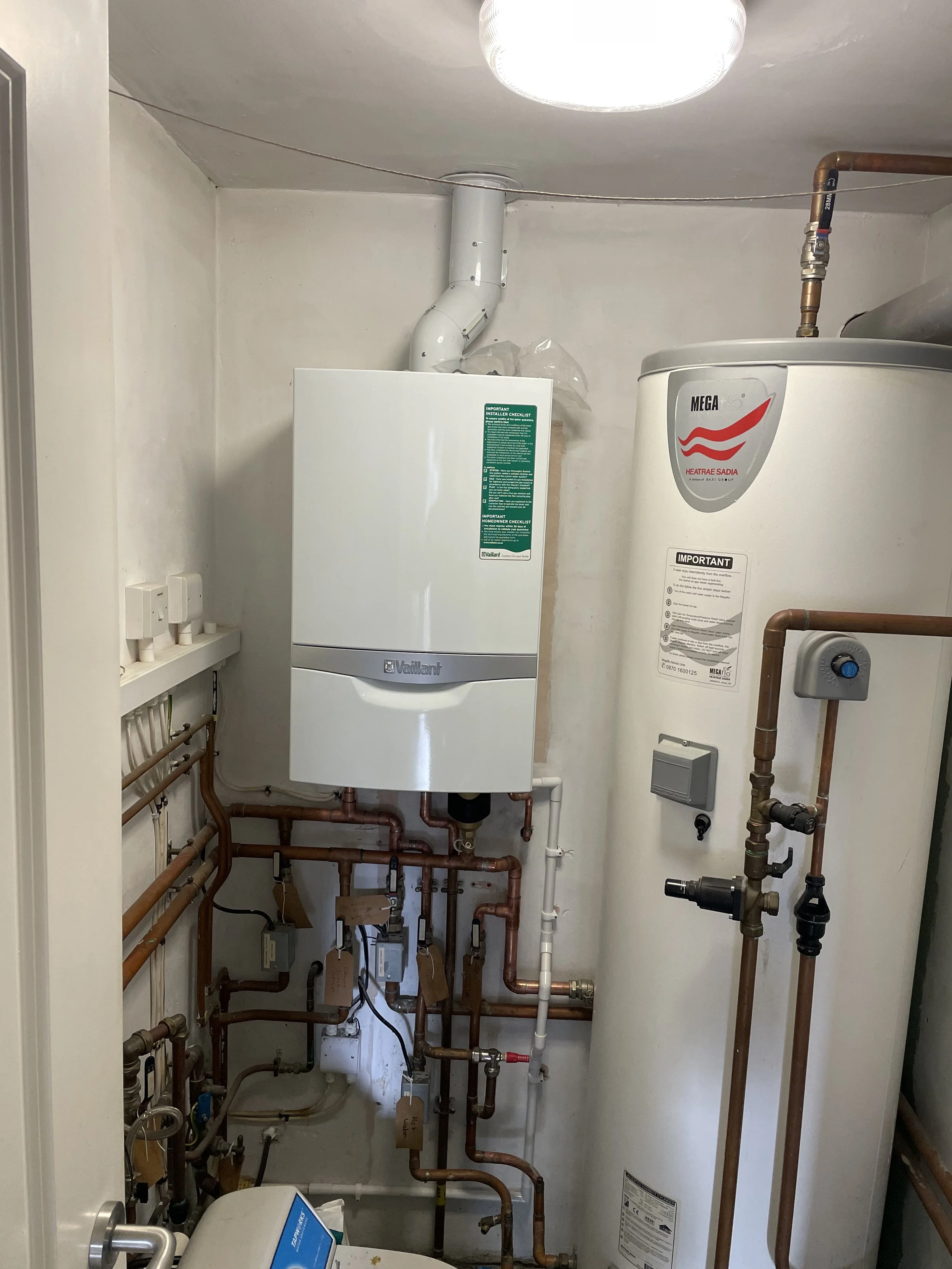
The Quick Answer For Homeowners Comparing Heating Options
The best heating system for your home is one that provides dependable warmth, reliable hot water and efficient performance based on your household's specific needs.
Smaller properties may benefit from a combi setup that delivers hot water on demand, while larger homes often require systems capable of supporting multiple bathrooms and higher usage levels. Homes without access to mains gas may also require alternative fuel options.
Before making a decision, it is worth having your property assessed by an experienced heating engineer who can evaluate your current setup, insulation levels, water demand and future requirements.
Start With How Your Home Uses Heating & Hot Water
The most suitable system should be chosen around your lifestyle and property rather than a particular product.
Consider:
How many bathrooms you have
How many people live in the property
Whether multiple showers are used at the same time
Whether you currently have a hot water cylinder
The age and condition of your radiators
Whether smart heating controls appeal to you
If your existing setup struggles during colder months
Whether rising energy bills are becoming a concern
A compact family home with one bathroom will have very different requirements from a larger property with several bathrooms, extensions or older pipework.
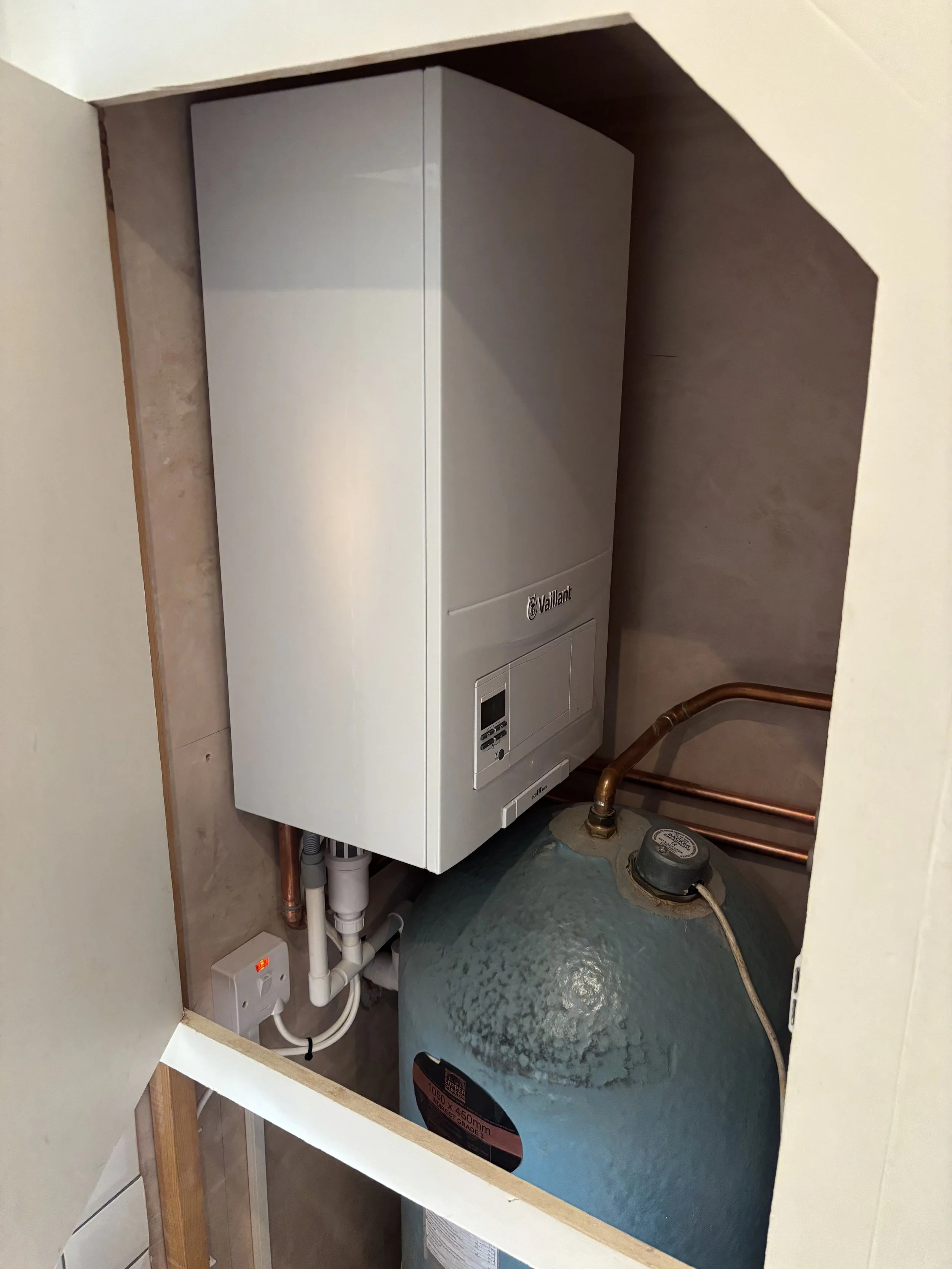
Main Types Of Heating Systems Explained
Combi Systems
Combi systems provide both heating and hot water directly from a single unit without requiring a separate hot water cylinder.
They are often popular in smaller homes where space is limited and hot water demand is relatively modest. Because water is heated when needed, there is no requirement to store large quantities in advance.
However, they may not always be ideal for households where several taps or showers are used simultaneously.
System Boilers
A system arrangement works alongside a hot water cylinder and is often suited to larger homes with greater hot water requirements.
This type of setup can provide a steady supply of stored hot water and may be beneficial for properties with multiple bathrooms or growing families.
Conventional Heating Arrangements
Traditional systems, sometimes referred to as regular or heat-only arrangements, are commonly found in older properties.
They often rely on tanks and cylinders already installed within the home. While they can still perform well, they generally require more space and may not always be the most efficient choice when undertaking a major upgrade.
Oil Boiler Systems
Properties without access to mains gas often rely on oil-fired systems for their heating and hot water.
These solutions require suitable fuel storage and regular maintenance but can provide dependable performance in rural and semi-rural locations. Heat Sussex is OFTEC registered and experienced in working with oil-fired installations, including Grant products.
What Makes A Heating System Efficient?
Efficiency depends on much more than the appliance generating the heat. The performance of the entire setup plays an important role.
An efficient home heating arrangement may include:
Correct system sizing
Well-balanced radiators
Effective heating controls
Good levels of insulation
Regular servicing
Clean pipework
Correct operating pressure
Smart or programmable thermostats
According to the Energy Saving Trust, heating and hot water account for a significant proportion of household energy use, making overall system efficiency an important consideration when upgrading.
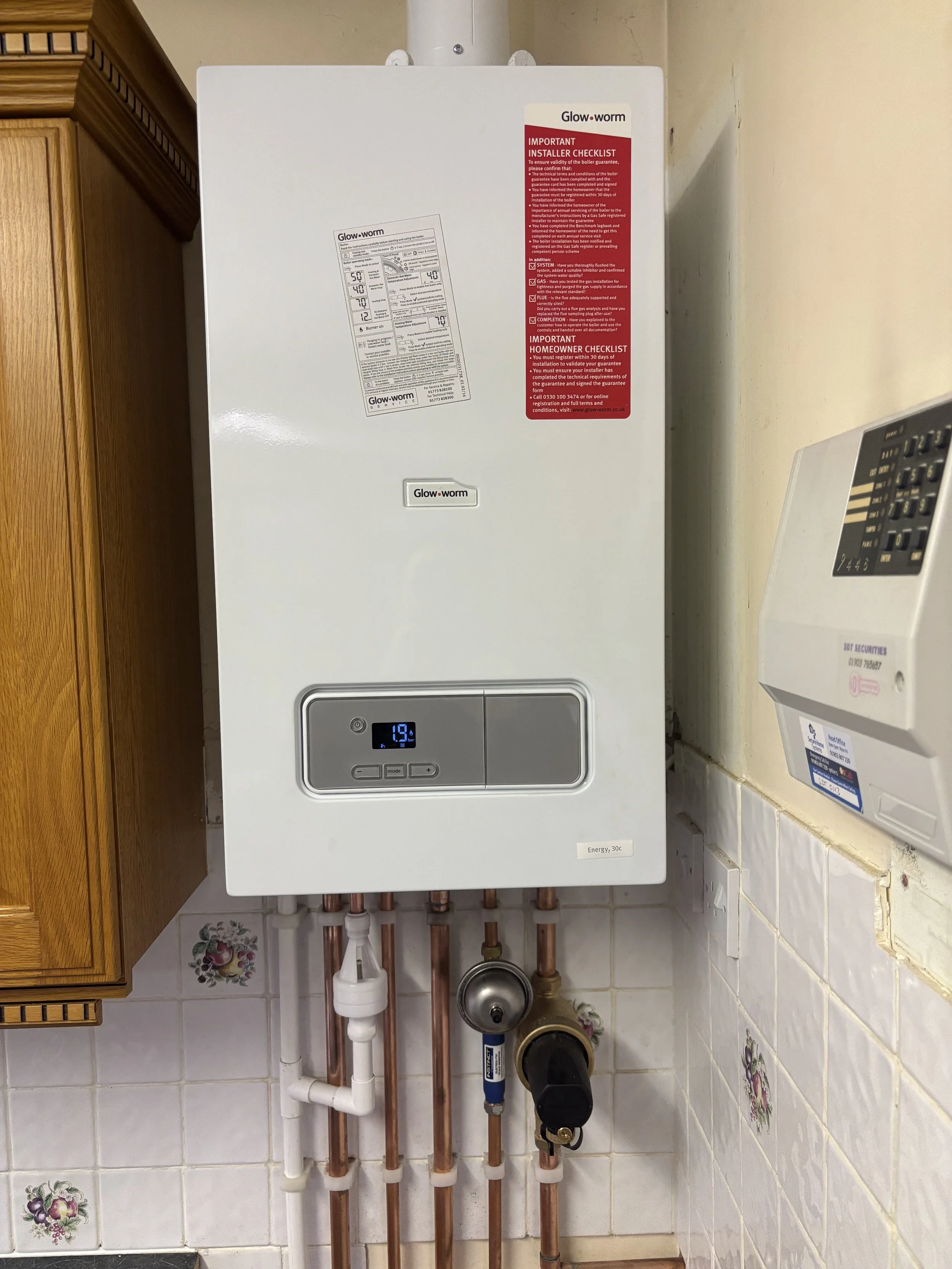
Common Mistakes When Choosing A New Boiler
Choosing Based On Price Alone
The cheapest option is not always the most cost-effective long term. A poor match can lead to higher running costs, weak hot water performance or earlier replacement.
Choosing A System That's Too Large
Many homeowners assume bigger means better. In reality, an oversized setup can operate less efficiently and cost more to run than necessary.
Ignoring Radiators & Pipework
Even the most modern equipment can underperform if the wider heating network is outdated, restricted or poorly maintained.
Forgetting About Controls
Programmable thermostats and smart controls allow you to manage temperatures more effectively, helping improve comfort while reducing unnecessary energy use.
Not Checking Installer Qualifications
Any gas heating installation should be carried out by a Gas Safe registered engineer, while oil-fired work should be completed by an appropriately qualified OFTEC registered professional.
When Should You Replace An Old Heating System?
You may want to consider replacing your existing setup if:
Breakdowns are becoming more frequent
Repair costs continue to increase
Heating performance is declining
Hot water delivery is inconsistent
The equipment is more than 10 to 15 years old
Replacement parts are difficult to obtain
Energy consumption has noticeably increased
You are renovating, extending or modernising your home
A professional assessment can help determine whether repair, servicing or full replacement is the most sensible option.
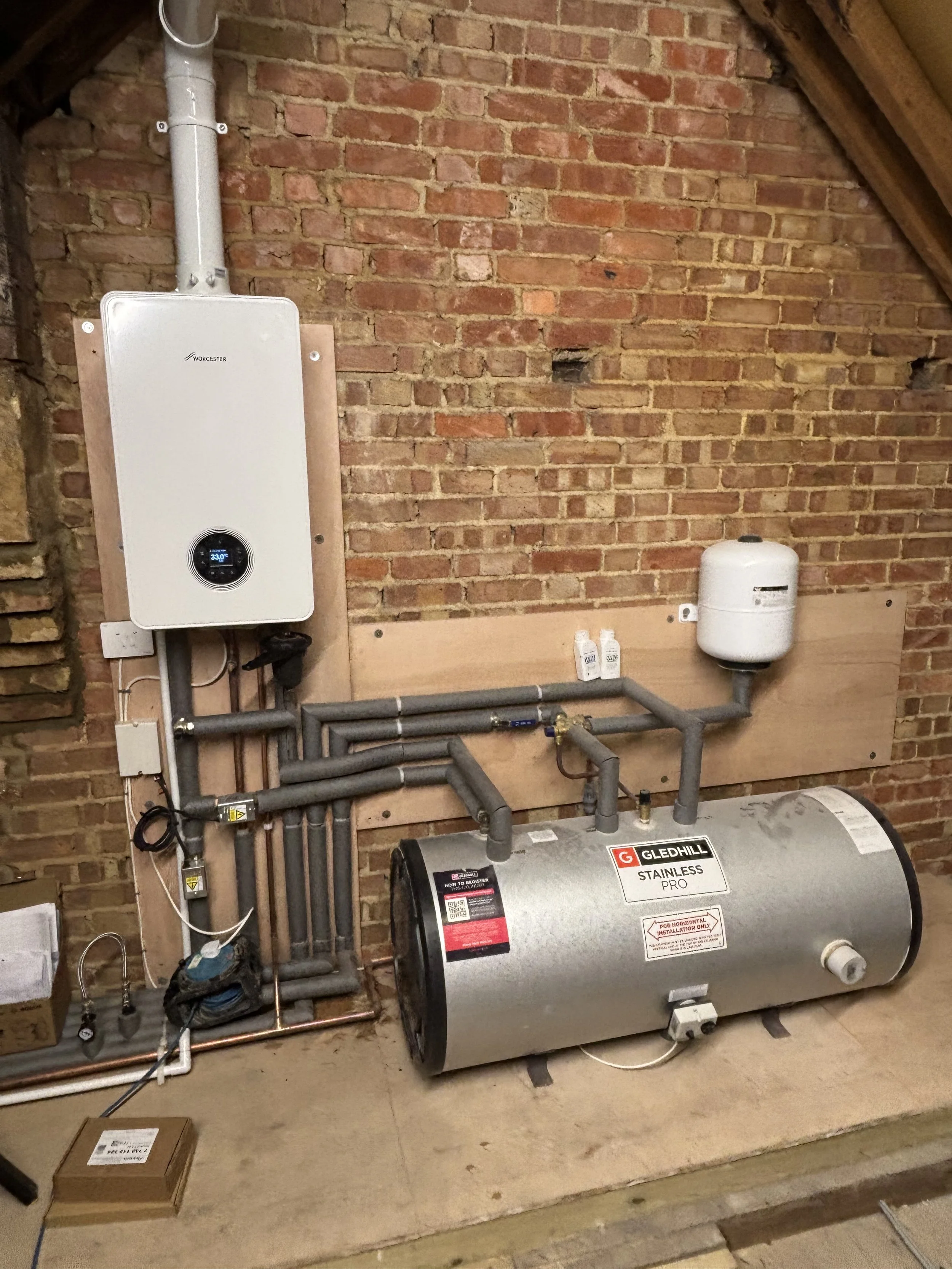
Should You Consider Renewable Or Low-Carbon Heating?
Some homeowners are also exploring sustainable heating solutions such as heat pumps. These can be suitable for certain properties, especially where insulation, radiator sizing and system design are carefully considered.
They are not the right fit for every home, but they are worth discussing if you are planning long-term heating upgrades or want to reduce reliance on traditional fossil fuel systems.
You can learn more about Heat Sussex’s renewable heating support through our heat pump solutions.
Questions To Ask Before Making A Decision
Before making a decision, ask:
Which option is most suitable for my property?
Is my current pipework suitable?
Do my radiators need upgrading?
Would a hot water cylinder improve performance?
Is my water pressure suitable for my preferred setup?
What warranty is available?
What heating controls should I install?
How often will the system need servicing?
Will the installation meet current safety requirements?
These questions help avoid rushed decisions and give you a clearer comparison between options.
How Heat Sussex Can Help With Heating Upgrades
If you are comparing new boilers in Henfield or exploring alternative heating solutions, Heat Sussex can assess your property's requirements and explain the available options clearly. We provide installation, replacement, servicing and repair services for both domestic and commercial customers.
Our team can help you compare different technologies, understand efficiency considerations and choose a solution that matches your property's needs and long-term goals.
For more detail on installation, replacement, repairs and servicing, visit our boiler services page.
Frequently Asked Questions
-
The answer depends on your hot water demand, number of bathrooms, available space and household usage patterns. Larger homes often benefit from solutions designed to handle greater demand, while smaller properties may suit more compact options.
-
Not necessarily. While they are efficient and space-saving, properties with multiple bathrooms or high simultaneous water usage may require a different approach.
-
Most installations can provide reliable service for many years when maintained correctly, although lifespan varies depending on usage, servicing and product quality.
-
A modern, efficient setup combined with effective controls and regular maintenance can help reduce wasted energy and improve overall performance.
-
Not always. However, older or undersized radiators can limit performance and should be assessed as part of any heating improvement project.
Making A Confident Choice For Your Home
Choosing the right heating solution is about balancing comfort, efficiency, reliability and future running costs. By understanding your property's requirements and comparing the available options carefully, you can make a decision that delivers long-term value and dependable performance.
If you are considering an upgrade and would like expert guidance tailored to your property, our team can help you explore the most suitable options and answer any questions you may have.